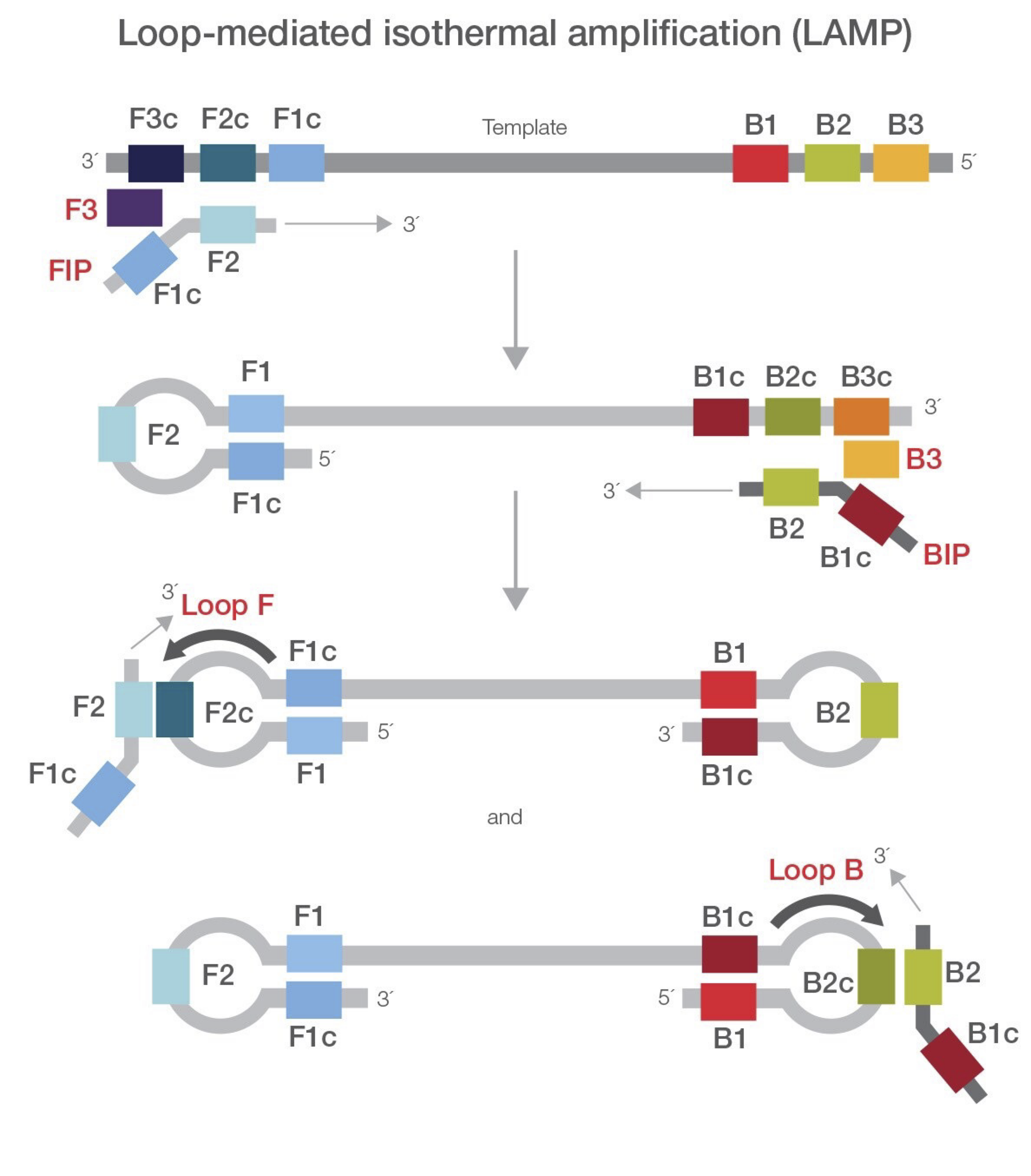
Design of multiplexed Loop-mediated isothermal amplification primers
Toxic algal blooms are sporadic events that are becoming increasingly frequent; they pose a major health risk and have a significant economic burden, particularly on shellfish farming and tourism. Detecting them early is a real challenge, making effective phytoplankton monitoring using high-performance field-deployable devices essential. The ALARMM project aims to develop an innovative prototype based on a next-generation molecular detection and quantification method: real-time digital droplet Loop-mediated isothermal amplification (LAMP). This technology will enable the precise identification and quantification on-field of certain toxic algal species subject to regulatory monitoring.
The SyMMES/CREAB team is specifically involved in the development of probes and primers for the amplification of microalgal genomic DNA. The Master internship will focus on the development and engineering of sequences for multiplex detection (detection of multiple microalgae simultaneously) and the implementation of biological protocols (molecular biology, biochemistry) for the detection of genomic DNA using LAMP amplification (an isothermal alternative to PCR). Experiments will be conducted to demonstrate the potential for quantifying DNA targets using a commercial device, and the results will be compared to those obtained with the prototype developed in parallel at CEA LETI.
Published on April 22, 2026 Updated on April 22, 2026
Share the linkCopyCopiedClose the modal windowShare the URL of this pageI recommend:Consultable at this address:La page sera alors accessible depuis votre menu "Mes favoris".Stop videoPlay videoMutePlay audioChat: A question? Chatbot Robo FabricaMatomo traffic statisticsX (formerly Twitter)

 MasterNanosciences, nanotechnologies