Nanoparticle Engineering and Synthesis and Loading as New Antibiotics Solution Vectorization of antimicrobial peptides to fight antibio-resistance
Description of the internship. (Keep in mind that this description is for students who are now finishing their bachelor. Precise content of the internship can also be defined during the first weeks of the 1st semester. Context
Antibiotic resistance is a growing global problem that poses a major threat to public health. Since the 1980s, the development of new antibiotics has slowed considerably, creating an urgent need for new, effective therapeutic alternatives against pathogenic bacteria. Ideal antibiotic treatments must be active against pathogenic germs and safe for the host. It is also crucial to minimize the risk of bacterial resistance, ensure effective drug formulation, and guarantee proper administration. Additionally, promoting the responsible use of active molecules is essential to limit their persistence in wastewater and facilitate their synthesis at different scales, thereby reducing healthcare costs. Project objective
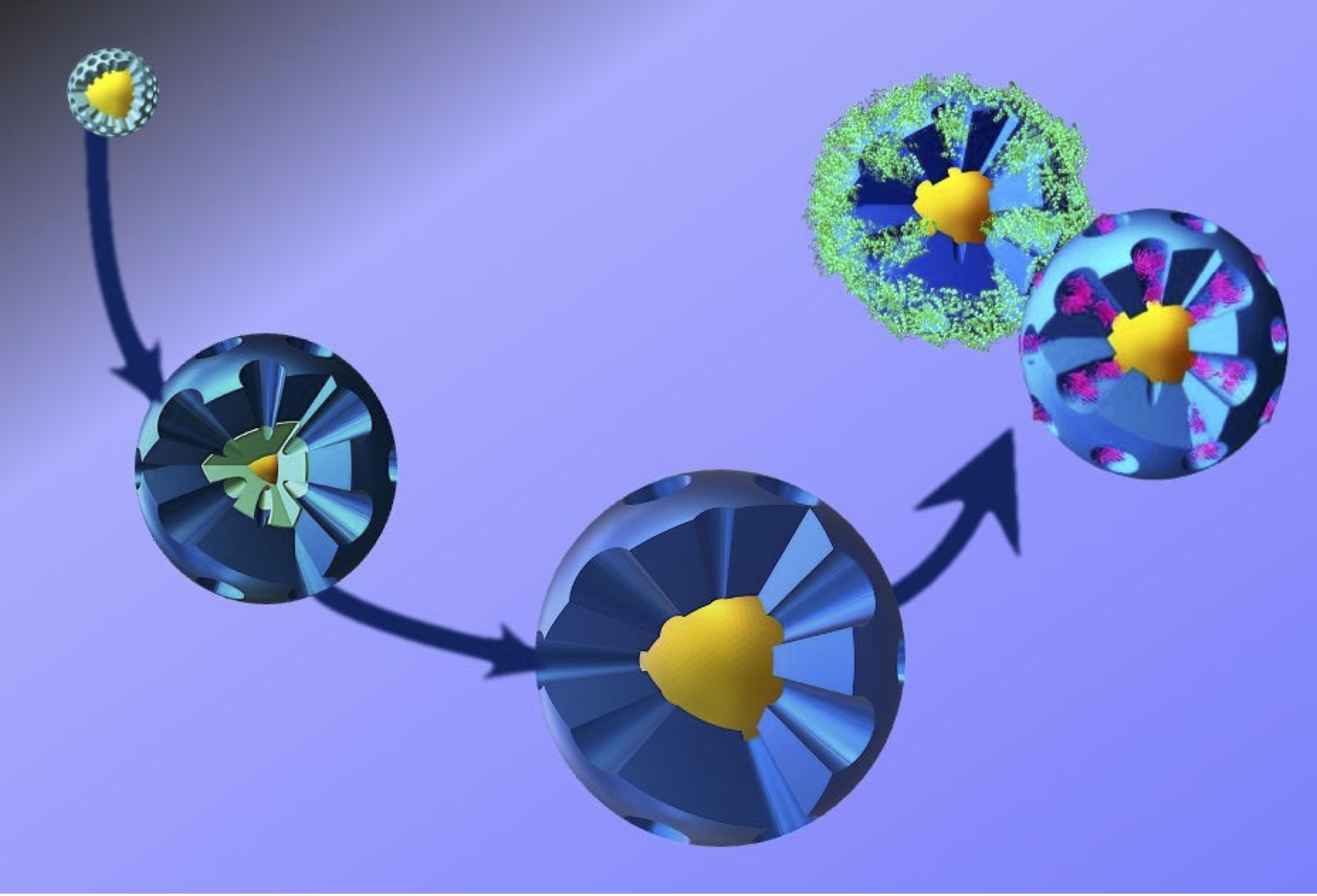
Our project aims to develop a new therapeutic approach using custom-designed biodegradable nanoparticles to deliver a new type of antibiotic. Internship program
The candidate will be in charge of the synthesis of large-pore mesoporous (organo)silica nanoparticles (MSN), and their full physical characterization. Then, model peptide based antibiotics will be loaded on and in the nanoparticles. The candidate will then set-up an assay to quantify (1) The drug loading capacity of the MNS, and (2) The drug release over time due to the MSN dissolution in physiological conditions. Antibiotic properties will then be assessed by following bacterial concentration drops of safe bacteria. Internship collaborative context
This project will be led in collaboration with partners who are experts in the synthesis and characterization of the relevant nanoparticles, and antimicrobial peptide characterization. Candidates will be involved in the MSN synthesis and characterization at the Néel Institute (https://neel.cnrs.fr/en) and in the peptide use and antibiotic activity follow-up at the SyMMES laboratory (https://www.symmes.fr/en) General comments
Candidates must be aware of the multidisciplinary aspect of this project. Applicants must be highly motivated by this context, open-minded, and willing to learn new disciplines and expertise in different environments (chemistry labs, electronic microscopy uses, peptides and antibiotics handling and basics microbiology).
Published on March 16, 2026 Updated on March 16, 2026
Share the linkCopyCopiedClose the modal windowShare the URL of this pageI recommend:Consultable at this address:La page sera alors accessible depuis votre menu "Mes favoris".Stop videoPlay videoMutePlay audioChat: A question? Chatbot Robo FabricaMatomo traffic statisticsX (formerly Twitter)

 MasterNanosciences, nanotechnologies